
Buying Property in Portugal, Step by Step: the 2026 Guide
Updated: 1 day ago
The paperwork in Portugal is not complicated. The order in which you do it is everything.
Buying property in Portugal follows a clear legal sequence: tax number, offer, promissory contract, deed. What is less clear, especially for international buyers, is where the real decisions are made and what should be verified before they become expensive to reverse. This is our step by step guide, updated for 2026. For the full framework, start with our independent guide to buying property in Portugal.
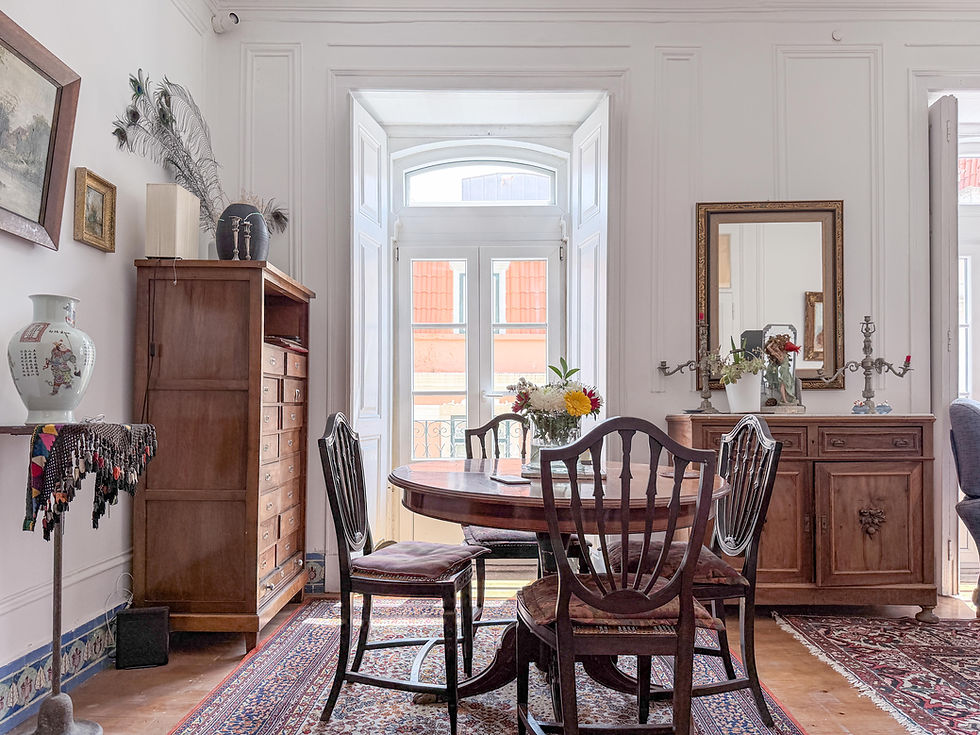
Step 1. Get a NIF and a Portuguese bank account
Every transaction in Portugal runs on the NIF, the Portuguese tax identification number. You need it to make a formal offer, sign the CPCV, pay the taxes and register the property. Non-residents can obtain one through a lawyer or at a tax office; buyers resident outside the EU and EEA may need a fiscal representative.
Open a Portuguese bank account at the same time. It makes the deposit, the taxes and any mortgage considerably simpler.
Step 2. Define the brief before you search
Most mistakes happen before the first viewing. Buyers start with listings and only later decide what they actually need. Settle these first:
Purpose: primary home, second home, or investment.
Horizon: how long you intend to hold the property.
Appetite for works: turnkey, light refurbishment, or full renovation.
Funding: cash, mortgage, or a mix.
Non-negotiables: location, light, privacy, outdoor space, lift, parking.
A buyer who defines the brief early moves faster later, because they filter with intent instead of reacting to what happens to be on the market.
Step 3. Viewings, and a reality check
Viewings bring two things quickly: attachment and information overload. Their purpose is not only to like a property, but to understand how it compares with the market. Look past the staging:
The building and its condition: roof, façade, common areas.
Orientation, light, noise and cross-ventilation.
Practicalities: access, stairs, lift, parking.
Warning signs: damp, structural cracks, works in progress next door.
The real scope of renovation, if the property is not turnkey.
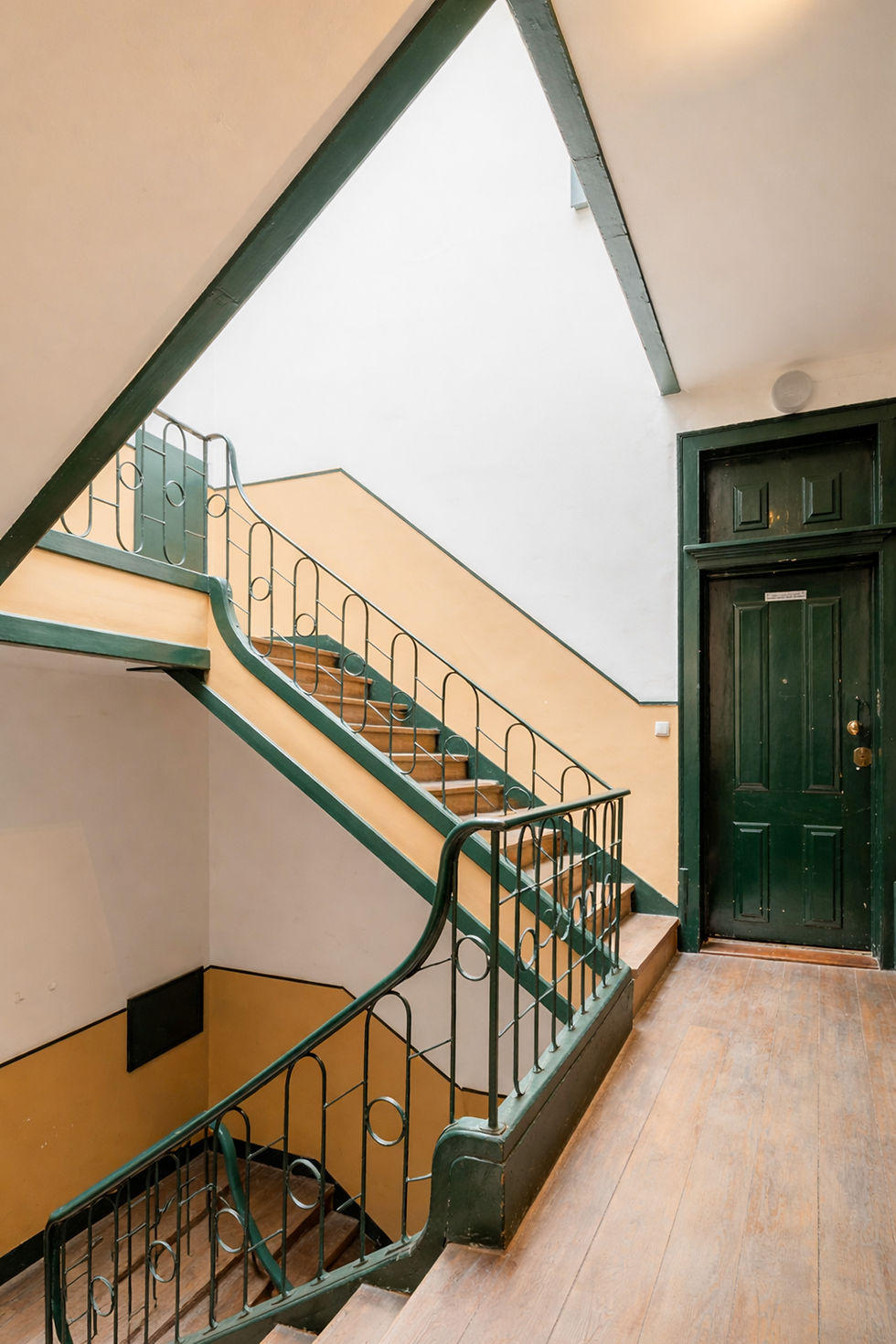
Step 4. The offer: price is only half of it
In Portugal, the strength of an offer depends as much on its terms as on its number. A good offer states the price, the deposit you expect to pay, the target date for the CPCV, whether there is financing, and what you need to verify before signing. Vague offers are not taken seriously; over-conditional ones lose to cleaner buyers.
Step 5. Due diligence, before the CPCV
Due diligence is where assumptions are tested, and the most important checks belong before you sign anything binding:
Land registry certificate (certidão permanente): who owns the property and whether it carries mortgages, liens or other charges.
Tax record (caderneta predial): areas, use and the tax value (VPT), which should match the property you saw.
Licensing: the habitation licence has not had to be shown at the deed since 2024, but since 1 October 2026 the deed must state whether the urban title (título urbanístico) exists; banks still ask for the licence and unlicensed extensions reduce value.
Energy certificate: mandatory for any property on the market.
Condominium: the administrator's statement of any debts, minutes of recent meetings and planned works.
Planning and heritage: municipal zoning, protected areas and, for listed buildings, pre-emption rights.
Technical survey where the age or condition of the building justifies it.
Step 6. The CPCV, where intent becomes binding
The CPCV is the promissory contract that fixes the price, the deposit, the deadline for the deed and the conditions for completion. The deposit is usually 10% to 20% of the price, and Portuguese law is clear about it: a buyer who walks away loses it; a seller who walks away returns it in double. We explain it in detail in CPCV explained.
“A good transaction is not the one that closes fastest. It is the one that closes without surprises.”
Step 7. Financing and timing
If you are borrowing, the bank's process has to fit inside the contract's deadlines. Get pre-approval before the CPCV, allow time for the bank's valuation, and include a financing condition if the purchase depends on the loan. Non-resident buyers are usually offered lower loan-to-value ratios than residents, so plan the cash accordingly.
Step 8. Taxes, paid before the deed
IMT, the property transfer tax, and stamp duty at 0.8% are paid before the deed, on the higher of the price and the property's tax value. Since 25 May 2026, non-residents buying residential property pay IMT at a flat 7.5%, with a refund of the difference if they become Portuguese tax residents within two years or let the property at a moderate rent. See the full breakdown in property taxes in Portugal.
Step 9. The deed and registration
The deed transfers ownership. It is signed before a notary or, as an authenticated private document, with a lawyer or at a Casa Pronta office. On the day, the balance is paid, any seller's mortgage is discharged and the keys change hands. The acquisition is then registered in the buyer's name, usually as part of the same act.
If the CPCV was well built and due diligence was thorough, the deed is a formality. If problems appear at this stage, something earlier was assumed rather than verified.
Frequently asked questions
Can foreigners buy property in Portugal?
Yes. There are no nationality restrictions on buying property in Portugal. You need a Portuguese tax number (NIF), and in practice a Portuguese bank account. Buyers resident outside the EU and EEA may need to appoint a fiscal representative.
How long does it take to buy a property in Portugal?
Usually two to four months from accepted offer to deed. The CPCV is typically signed within a few weeks of the offer, and the deed one to three months later, depending mainly on financing.
What are the total costs of buying property in Portugal?
On top of the price, plan for IMT (property transfer tax), 0.8% stamp duty, notary and registration fees, and legal fees. For most purchases this adds roughly 7% to 10%. Since 25 May 2026, non-residents buying residential property pay a flat 7.5% IMT, refundable in part if they become tax residents within two years or let the property at a moderate rent.
Do I need a lawyer to buy property in Portugal?
It is not a legal requirement, but it is strongly recommended, especially for international buyers. A lawyer reviews title, licensing and the CPCV, and can execute the deed by authenticated private document.
Does buying property in Portugal still qualify for a Golden Visa?
No. Since October 2023, real estate purchases no longer qualify for the Portuguese Golden Visa.
Further reading: Buying Property in Portugal as a Foreigner: What Is Different, and Cost of Buying a House in Portugal: the Full Budget for 2026.
Considering a purchase in Portugal and looking for independent guidance? Request a private conversation, browse our properties for sale or ask about our off-market properties.
Updated October 2026. Sources: Portuguese Civil Code; Decree-Law 10/2024 (Simplex); Decree-Law 108/2026; Decree-Law 97/2026; IMT and Stamp Duty Codes. General information only; not legal or tax advice. Wiseguys Properties, AMI 23109 · info@wgpadvisors.com
Comments