
Village for Sale: How to Buy a Village in Portugal
A village is not one property. It is many.
Across the interior of Portugal, small villages emptied in the second half of the twentieth century, and some of them now come to the market whole or in part. A village for sale is a rare thing, and a romantic one. It is also a legal puzzle: dozens of titles, sometimes a heritage classification, planning rules written for the countryside. This guide sets out what to check, using as an example Azinheira, near Castelo Branco.
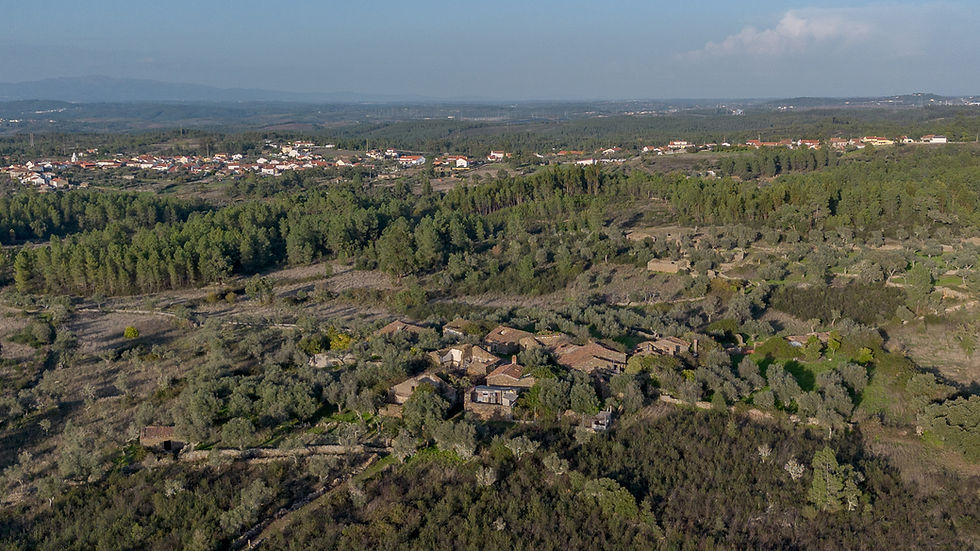
One village, many titles
In Portugal each house, barn or plot is usually a separate property, with its own entry in the tax register (the caderneta predial) and in the land registry (the certidão permanente). Buying a village means checking every one of them: who owns it, whether the areas match on paper and on the ground, and whether there are mortgages, pending registrations or heirs who have never divided an inheritance, a common situation in the interior. Urban and rural plots follow different rules, so the list should say which is which.
The steps of the purchase itself, from tax number to deed, are the same as for any home: see our guide to buying property in Portugal, step by step, and our note on the CPCV, the promissory contract.

When the village is classified
Portuguese heritage law (Lei 107/2001) recognises three levels of protection: national interest, public interest and municipal interest. The last is decided by the municipality itself. Azinheira, for example, was classified as a property of municipal interest by the municipality of Castelo Branco in 2004.
Classification has practical consequences. The sale of a classified property must be communicated in writing beforehand, and co-owners, the State, the autonomous regions and the municipalities have, in that order, a right of preference when it is sold. Works on classified properties are subject to the heritage rules, and a classified property can carry a protection zone around it, which also limits works nearby. For a property of municipal interest, the municipality is the first door to knock on.
Ask the municipality before you ask the architect.
What can be built
What can be restored, extended or rebuilt depends on the municipal master plan (the PDM) and on whether each plot is urban or rural. Restoring an existing building is generally easier than building anew. Buildings registered before 7 August 1951, when the general building regulations came into force, may be exempt from a use licence, which the municipality can certify. A building in ruins can be sold with a declaration of ruin in place of an energy certificate.
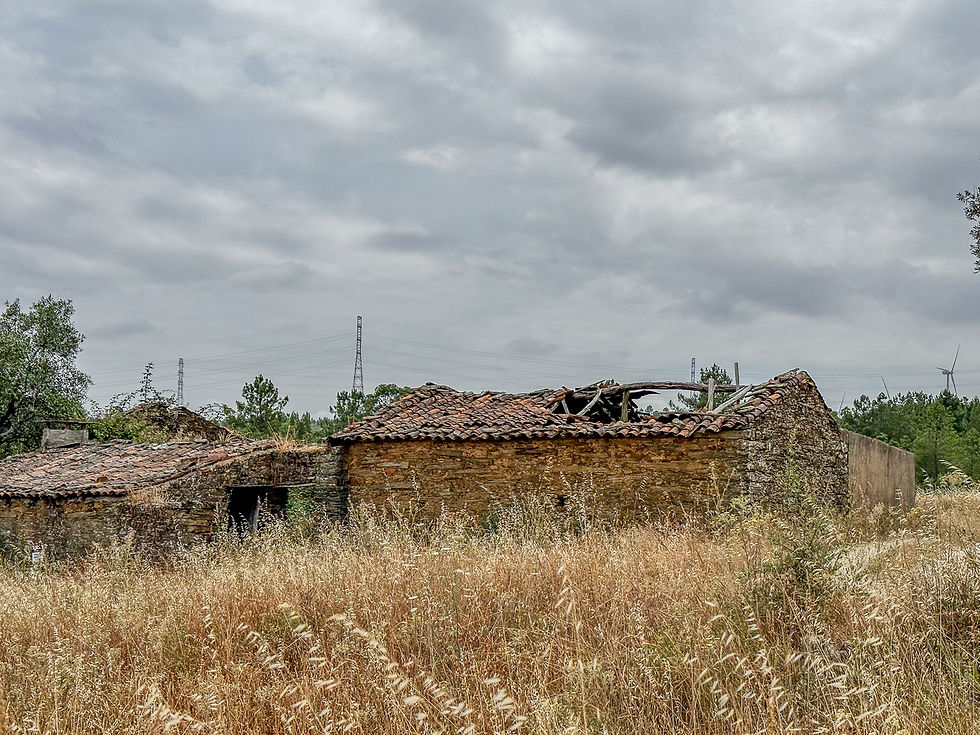
A village for guests
Many buyers think of rural tourism. Portuguese rules (Decreto-Lei 39/2008 and Portaria 937/2008) provide for houses in the country, the casas de campo, which must respect the typical architecture of the place, and for turismo de aldeia: five or more casas de campo in the same village or parish, or in neighbouring ones, run together by a single operator. Rural hotels and agritourism on working farms are other possible routes.
Taxes
The purchase pays IMT and stamp duty, and the property then pays IMI each year: see our guide to property taxes in Portugal. The law offers exemptions for classified buildings, but they are written for buildings classified individually. According to binding information from the Portuguese Tax Authority, a building that is only part of a classified ensemble does not automatically qualify. Confirm the position of each property with a tax adviser.
Before you sign
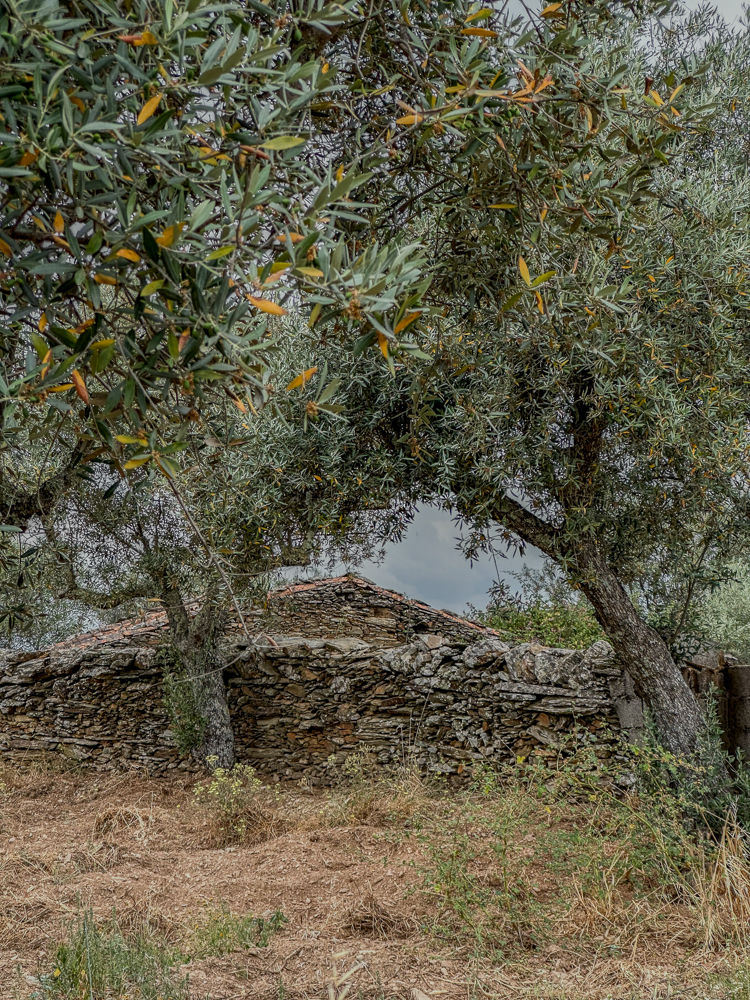
Before committing, gather the caderneta and the certidão permanente of every property; walk the boundaries with someone who knows them; ask the municipality what the PDM allows and, if the village is classified, which works need its approval; check access, water and electricity; and have a lawyer review the whole before the CPCV. Azinheira, an estate of houses, annexes and land in a classified village, is for sale through Wiseguys Properties: see its page.
Frequently asked questions
Can a foreigner buy a village in Portugal?
Yes. Portugal does not restrict the purchase of property by foreigners. A Portuguese tax number (NIF) is needed.
Is a village one property?
Rarely. It is usually many properties, each with its own entry in the tax register and the land registry, which all have to be checked.
Can a classified village be restored?
Yes, but works must follow heritage rules. For a property of municipal interest, the municipality is the first authority to consult.
Does the municipality have a right of preference?
When a classified property is sold, Lei 107/2001 gives a right of preference to co-owners, the State, the autonomous regions and the municipalities, in that order.
Are classified properties exempt from tax?
Exemptions exist for buildings classified individually. A building that is only part of a classified ensemble does not automatically qualify.
Further reading: Buying Land in Portugal: BUPi, the Land Registry and Rural Plots, and Listed Buildings in Portugal: Buying a Classified Property.
This article is general information and does not replace legal or tax advice. Sources: Lei 107/2001 (articles 15, 36, 37 and 43); Decreto-Lei 309/2009; Decreto-Lei 39/2008 and Portaria 937/2008; Autoridade Tributária, binding information on EBF article 44; Património Cultural (DGPC), Aldeia da Azinheira. Photographs: Wiseguys Properties.
Comments