
Renovating a House in Portugal: Old Walls, New Rules
An old house is not repaired. It is understood.
Granite in the north, schist in the Beira, stone and brick vaults in the Alentejo, timber frames in the Lisbon Baixa: Portuguese houses were built with what the land gave. Renovating a house in Portugal starts with reading those materials, and continues with rules that have changed twice in three years, first with the 2024 planning simplification and again with Decreto-Lei 108/2026, now in force. This guide follows the order of a real project: the survey, the materials, the licence, the tax side, with houses Wiseguys Properties represents as examples.
Read the house before you buy it
Before the promissory contract, ask an engineer or an architect with experience of old buildings for a technical survey. The essentials: the structure and its cracks, the roof and its timbers, damp at the base of the walls, the state of floors and beams, water and electricity. A survey is cheaper than any surprise, and it gives you the only realistic basis for a budget.
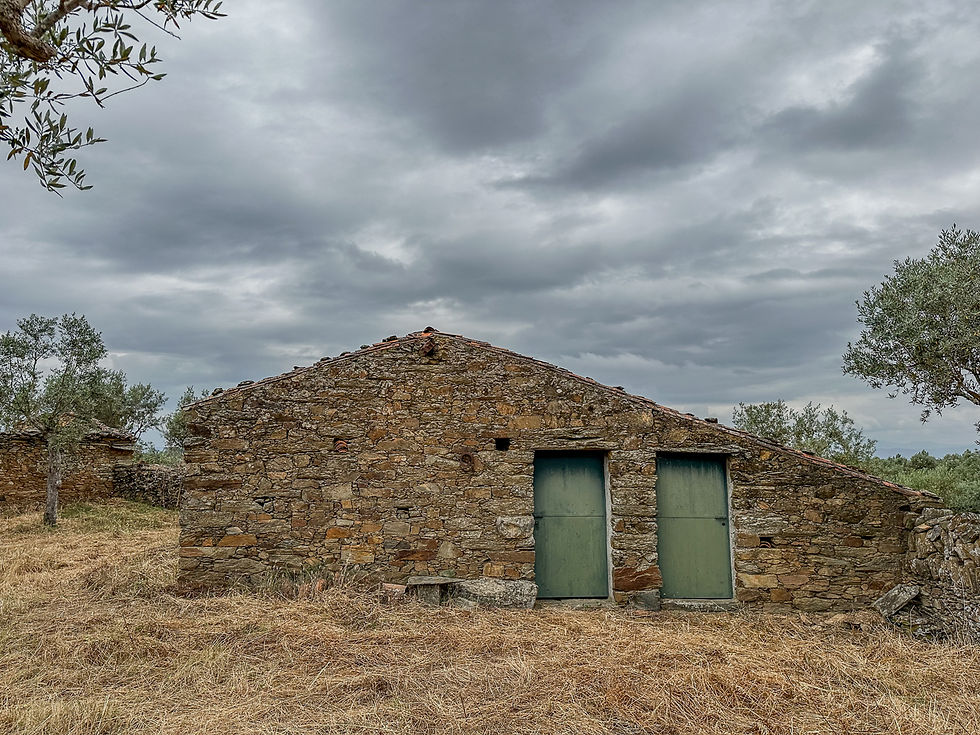
Each region asks different questions. In Trás-os-Montes, a granite house such as the one in Campeã often follows the casa de loja e primeiro andar type, with stores below and the family above. In the Beira Baixa, walls of schist and river stones were bound with local red clay, as at Azinheira. In the interior Alentejo, vaults, including brick vaults, are a distinctive feature even of modest houses, and rammed earth (taipa) appears in places such as Moura and Serpa. In the Lisbon Baixa rebuilt after the 1755 earthquake, a flexible timber frame, the gaiola, runs inside the walls. Each answers works in its own way.
Lime, timber and canudo tiles
Most old Portuguese walls were laid and rendered with lime or earth mortars. They need to breathe. Conservation guidance, such as the US National Park Service's brief on repointing, warns that cement mortars, harder and less permeable than the originals, trap moisture and damage softer stone and brick; repairs should use a similar or weaker mortar, generally lime. Damp that appears after a renovation is often the work of cement.
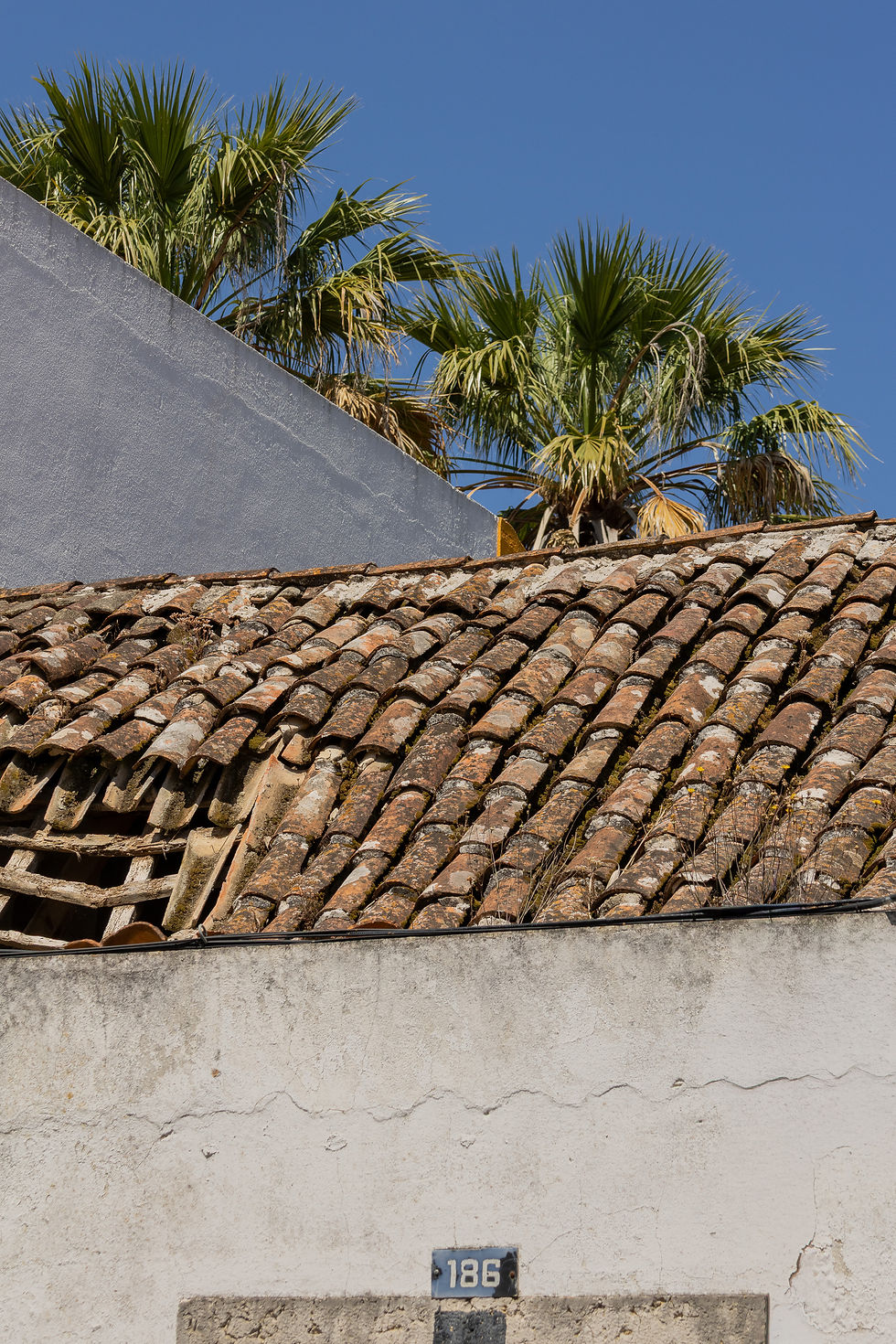
Timber windows can usually be repaired before they are replaced. Under the 2026 rules, replacing windows with more energy-efficient ones of the same geometry and exterior appearance is a minor work, exempt from prior control even in protection zones: the drawing of the old frame is worth keeping. On the roof, the curved canudo tile, laid over and under like the roofs of Azinheira, is part of the house as much as its walls.
The wall that breathes outlives the wall that is sealed.
Licence, communication or exemption
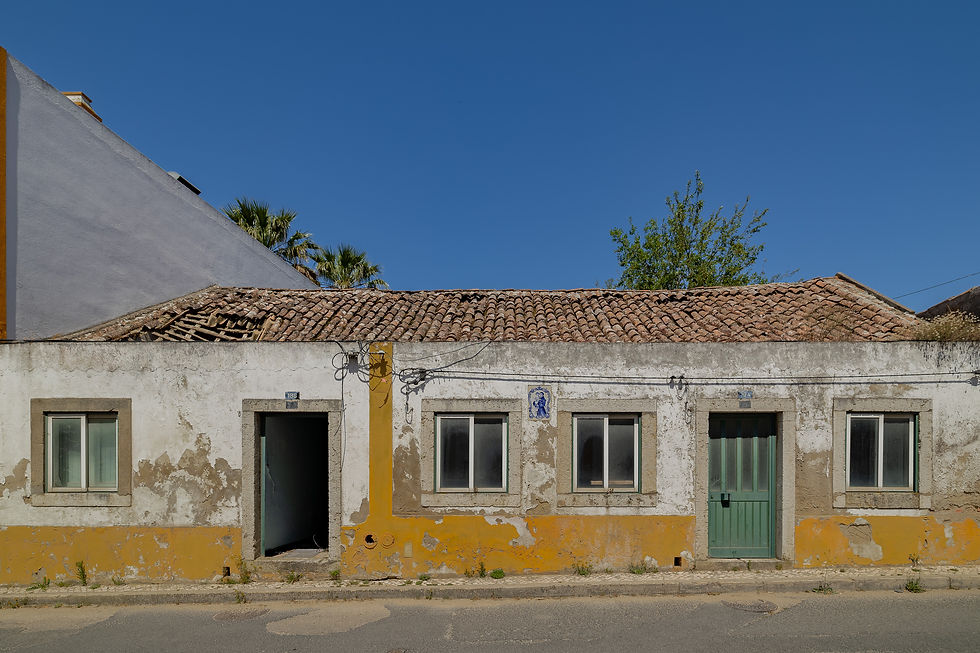
Portuguese planning law knows three routes: a licence, a prior communication (comunicação prévia) and works exempt from prior control. The revised rules of 2026 changed the map. Reconstruction, now narrowly defined as rebuilding after total or partial demolition that restores the last lawful building, keeping the composition of the facade, the openings and the roof, is exempt. Anything that adds footprint, floor area, height or volume is an extension and needs a procedure. Interior alterations are exempt when they do not change the exterior or the structure. Even exempt works must be notified to the municipality before they start, and failing to do so carries fines.
Before buying, a request for prior information (pedido de informação prévia) tells you what the municipality will accept, and a favourable answer that sets all the parameters can replace the licence. Classified buildings, those in the process of classification and properties in their protection zones remain a separate case: works need the heritage authority's opinion and, as a rule, a licence. See our guide to buying a classified property, and our note on use licences and buildings older than 1951.
Rehabilitation areas and the tax side
Municipalities delimit urban rehabilitation areas, the ARU, under the urban rehabilitation regime (Decreto-Lei 307/2009). Inside them, Portuguese law has for years offered a reduced VAT rate of 6% on rehabilitation contracts (item 2.23 of List I of the VAT Code), and the Tax Benefits Statute (article 45) has offered IMI and IMT relief for rehabilitated buildings older than thirty years or inside an ARU, provided the state of conservation rises by two levels and energy requirements are met. These conditions have been amended several times: ask the municipality to certify the works before they start, and confirm with a tax adviser what applies today. In some ARUs the municipality also holds a right of preference on sales. For the rest, see our guide to property taxes in Portugal.
Time and money
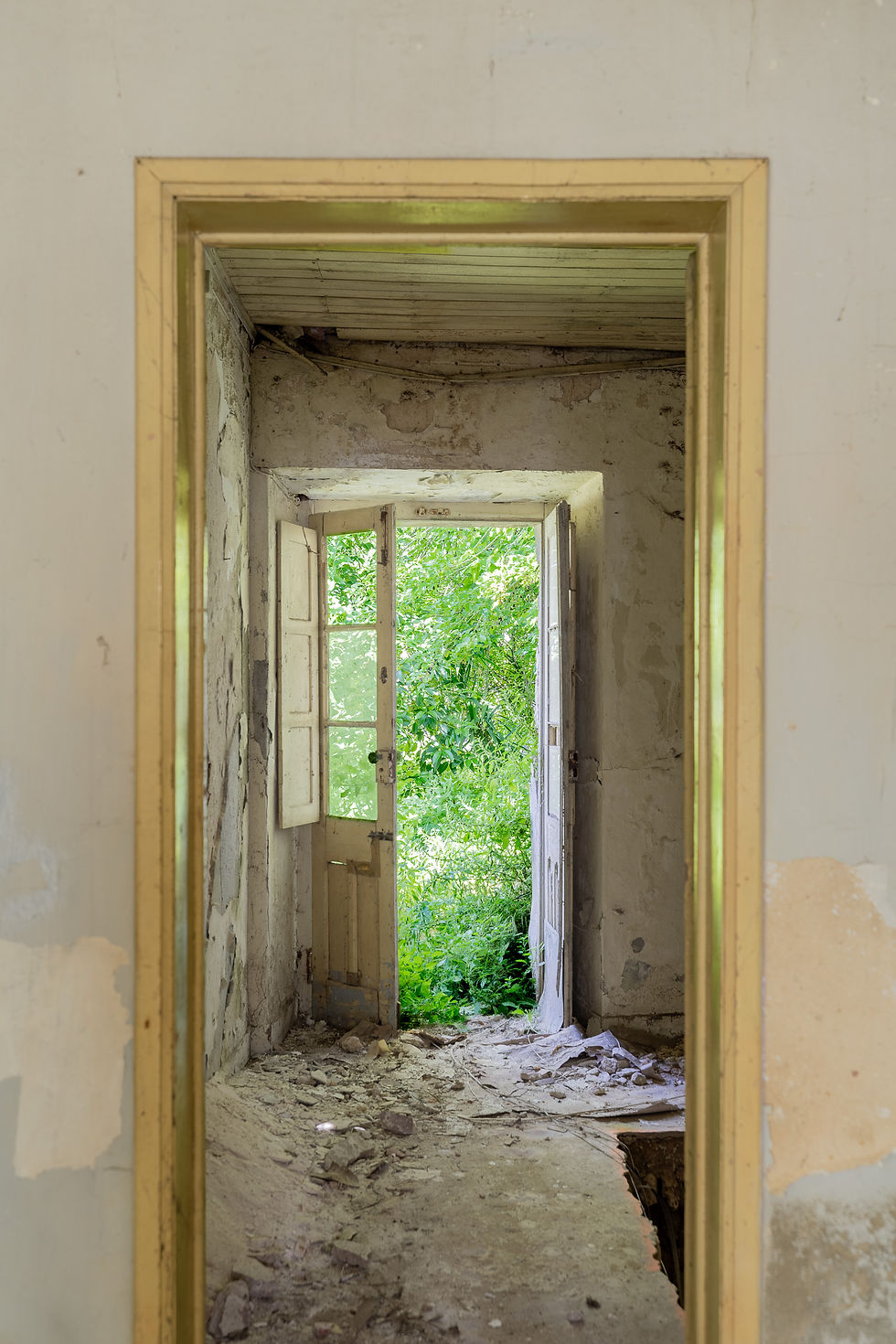
We do not publish an average cost per square metre for renovations. For an old house, the only honest figure is the one that follows a survey and two or three detailed quotes from contractors used to traditional materials. Heritage opinions and the specialist reports they require add steps to the calendar; so does a ruin, which may hide more than it shows. A buyer who budgets for what the walls reveal will rarely regret it.

Three houses, three stages
Wiseguys Properties represents houses at every stage of the process. In Azeitão, an old house sold with an approved project for a home of 193 m² on two floors. In Portalegre, The Great Green House, a manor already restored, with central heating and a kitchen in Estremoz marble. In Campeã, the Old Stone House, in granite, with two annexes in ruins that await a project. For buying in general, see our guide to buying property in Portugal, step by step, or contact us.
Frequently asked questions
Do I need a permit to renovate a house in Portugal?
It depends on the works. Interior alterations that do not touch the structure or the exterior are exempt; extensions and exterior changes need a licence or a prior communication. Every work must be notified before it starts.
Can I rebuild a ruin in Portugal?
Rebuilding that restores the last lawful building, with the same facade, openings and roof, is exempt from prior control under the 2026 rules. Anything larger is an extension and needs a procedure.
Should I use cement on old stone walls?
Generally not. Walls built with lime or earth mortars need to breathe; cement traps moisture. Repairs should use a similar or weaker mortar, usually lime.
Is VAT reduced for renovation in Portugal?
A reduced rate of 6% has applied to rehabilitation contracts in urban rehabilitation areas, subject to conditions. Confirm with your contractor and a tax adviser before signing.
What is an ARU?
An área de reabilitação urbana, delimited by the municipality, where rehabilitation can benefit from tax reliefs and the municipality may hold a right of preference on sales.
This article is general information and does not replace legal, technical or tax advice. Sources: Decreto-Lei 108/2026 (revision of the RJUE) and summaries by AICCOPN and Morais Leitão; Decreto-Lei 10/2024; Decreto-Lei 307/2009; Estatuto dos Benefícios Fiscais, article 45; Código do IVA, List I; US National Park Service, Preservation Brief 2; Património Cultural, Aldeia da Azinheira; Ana Costa Rosado, Revista de História da Arte, 2025. Photographs: Wiseguys Properties.

Comments